
Grants
Space for Nature to Thrive
Mycosis Lab
€10,000 awarded
Grantees: Nature Trust Malta
Project duration: January 2026 – March 2027
The Challenge
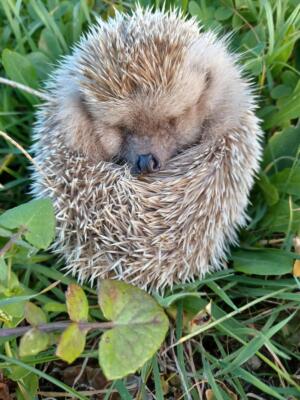
Hedgehogs are one of Malta’s most beloved wild mammals, yet a combination of habitat fragmentation, urban development, and road accidents is placing increasing pressure on local populations across Malta and Gozo. Diseases such as fungal infections add another, often invisible, threat to these vulnerable animals.
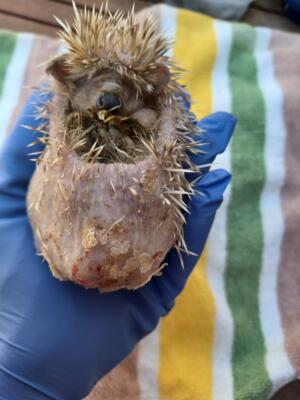
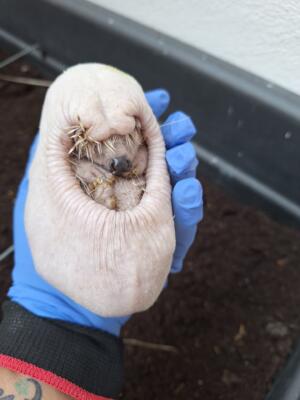
Ringworm is a fungal skin infection found in several mammal species, including hedgehogs. It causes the loss of both fur and quills – their primary defence against predators and injury.
The condition often begins as a small patch of missing quills, but if left untreated it can progress until the hedgehog becomes almost completely bare. Without their protective quills, hedgehogs are far more exposed to predators, wounds, and secondary infections, significantly reducing their chances of survival in the wild.
Diagnosing ringworm in hedgehogs is not straightforward. Unlike some fungal infections, it does not fluoresce under UV light and must be confirmed through laboratory culture. This makes monitoring and early detection particularly challenging.
Hedgehog ringworm can spread between individuals, especially in areas where hedgehogs are concentrated or under environmental stress, and it can also be transmitted to humans. Understanding where the disease is most prevalent across Malta and Gozo is therefore essential for protecting both wildlife and public health.
The Solution
Establishing Malta’s first dedicated in-house mycology laboratory will enable faster and more accurate diagnosis of fungal skin infections in hedgehogs. This will support timely treatment while generating vital data on how the infection is spreading across Malta and Gozo, allowing appropriate conservation measures to be put in place.
In areas with a high infection burden, hedgehogs will be assessed in greater detail through active field surveys and testing. This targeted approach will help develop effective treatment strategies and strengthen conservation efforts where they are most urgently needed, minimising the continued spread among hedgehog colonies in the wild.
This first-of-its-kind laboratory in Malta also has the potential to expand its scope to investigate other diseases affecting local wildlife. By preparing different culture media, the laboratory can be adapted to test for a range of microorganisms, supporting broader wildlife health monitoring in the future.
“When working in wildlife conservation, noticing trends is very important, as it can help in devising mitigating measures to reduce the negative impact certain issues may be having on the species. Hedgehog ringworm is one such case, where an increase in cases started being noticed.
This project will enable us to monitor exactly which of our hedgehogs are affected, and to make sure they are treated and cured before being released back to the wild. [It will also] help us focus on developing better preventive strategies, aligning with better conservation measures.”